Currently Empty: $0.00

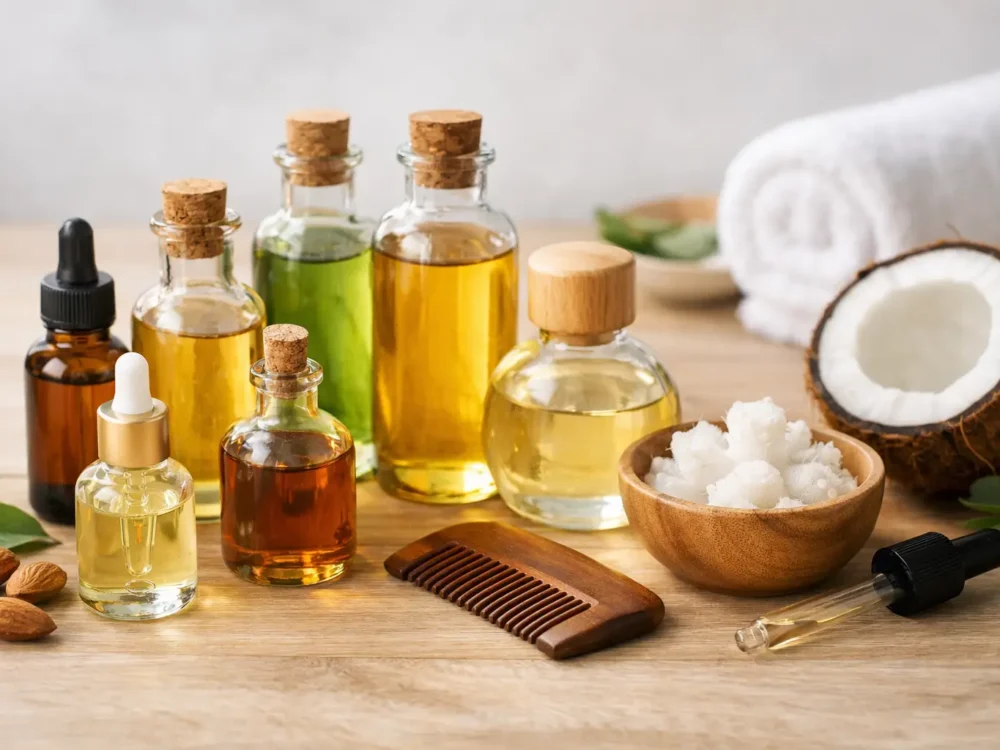
A scalp can feel tight, flaky, and uncomfortable long before hair looks noticeably dry. The best oils for dry scalp can help soften surface flakes, reduce that parched feeling, and make wash days less harsh – but only when the oil suits your scalp and the underlying issue. More oil is not always better, especially if itching, greasy scale, or buildup is part of the picture.
For a simple routine, choose one quality oil, use a small amount consistently, and wash it out properly. Here is how the most popular options compare, plus how to use them without turning a dry scalp routine into a buildup problem.
What Makes an Oil Helpful for a Dry Scalp?
Scalp oils do not create moisture on their own. Water-based cleansing and conditioning provide hydration; oil helps by slowing moisture loss and softening dry skin on the scalp. The right oil can also improve slip during a gentle scalp massage, which may make it easier to lift loose flakes before shampooing.
Texture matters. Lightweight oils work well when hair gets flat or oily quickly. Richer oils can feel more comforting on a very dry scalp or on thick, textured hair, but they take more effort to remove. Your routine, hair density, and sensitivity should guide the choice more than a trend on social media.
The 7 Best Oils for Dry Scalp
1. Jojoba Oil for a Lightweight, Balanced Feel
Jojoba oil is technically a wax ester, not a traditional oil, and its lightweight texture makes it a strong starting point for many people. It spreads easily over the scalp without the heavy coating some richer oils leave behind. If your roots become oily within a day or two, jojoba is often the most practical option.
Use a few drops on a damp scalp before shampooing, massage gently for several minutes, then cleanse. It is especially useful for people who want scalp comfort without sacrificing volume at the roots.
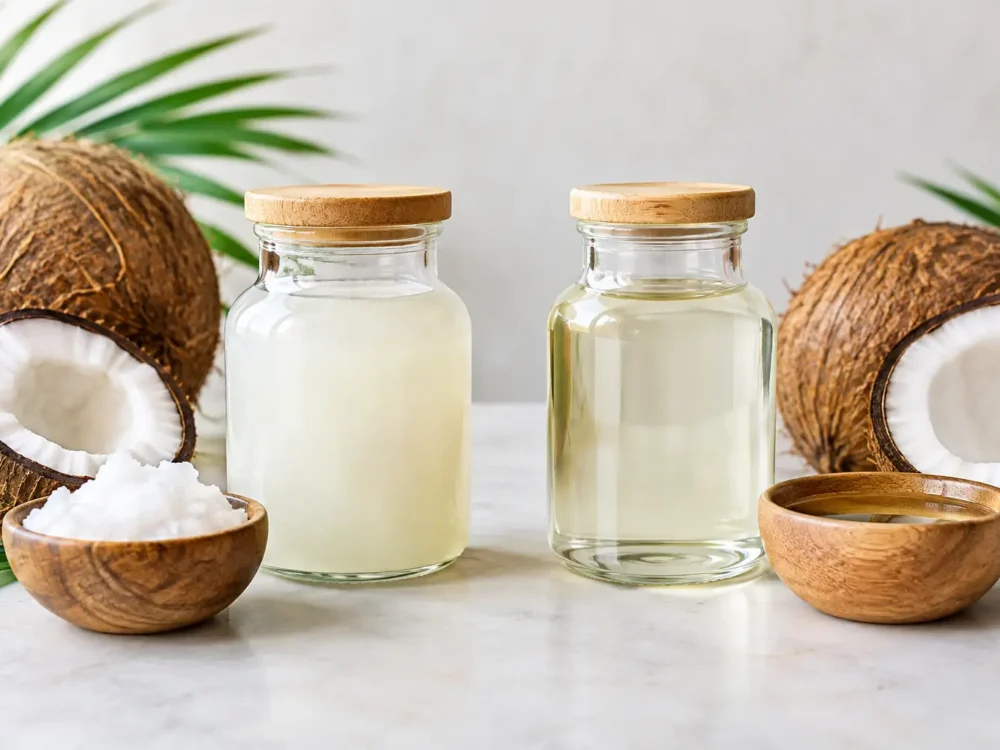
2. Coconut Oil for Dryness and Hair Breakage
Extra virgin coconut oil is a classic pre-wash choice for dry scalp and dry lengths. Its rich, conditioning feel can reduce the rough, straw-like texture that often comes with over-washing, heat styling, or dry weather. It also works well as a hair oil when dryness extends beyond the scalp to the mid-lengths and ends.
The trade-off is that coconut oil can feel heavy, particularly on fine hair, and may not suit a scalp prone to greasy flakes. Start with a teaspoon or less, focusing on dry areas rather than saturating the entire scalp. Leave it on for 20 to 60 minutes before shampooing. A clean, minimally processed extra virgin coconut oil is a sensible choice for this kind of multipurpose routine.
3. Castor Oil for a Richer Scalp Massage
Castor oil has a thick, sticky consistency that makes it better for targeted use than all-over application. Many beauty routines use it to coat very dry patches and condition the hairline. It can be a useful option when the scalp feels especially dry, but it is rarely the best choice to use alone.
Mix one part castor oil with two or three parts lighter oil, such as jojoba or coconut oil, before applying. This makes it easier to spread and rinse out. Organic castor oil from a brand such as Sterling Nutrition can fit well into a low-fuss pre-wash routine, provided you use a small amount and shampoo thoroughly afterward.
4. Argan Oil for Dry Scalp and Fine Hair
Argan oil is lighter than castor or coconut oil and feels silky rather than waxy. It is a good match for fine, color-treated, or heat-styled hair that needs softness without an oily finish. A few drops can be massaged onto the scalp before washing, while any leftover product can be smoothed over dry ends.
Because it is usually more expensive, argan oil is best used sparingly. It is not necessarily more effective than simpler oils for every scalp, but its elegant texture makes daily hair care easier for people who dislike heavier products.
5. Sweet Almond Oil for a Gentle Pre-Wash Treatment
Sweet almond oil is a medium-weight oil with a comfortable, easy-to-spread texture. It can be a good middle ground if coconut oil feels too heavy and jojoba feels too light. Use it as a short pre-shampoo treatment to soften dry skin and reduce the tugging that can happen when brushing out flakes.
Avoid it if you have an almond or tree-nut allergy. As with any topical oil, a patch test is still a smart first step, even if the ingredient sounds gentle.
6. Grapeseed Oil for an Oily-Feeling Dry Scalp
A scalp can be both dry and oily. This often happens when frequent cleansing, hot showers, or strong styling products disrupt the scalp barrier, while the roots still produce oil. Grapeseed oil is a lightweight choice for that situation because it does not feel as dense or occlusive as coconut or castor oil.
Apply a thin layer before shampooing rather than leaving it on overnight. The goal is comfort and flexibility, not a slick scalp. If your hair looks greasy after using it, reduce the amount before switching products.
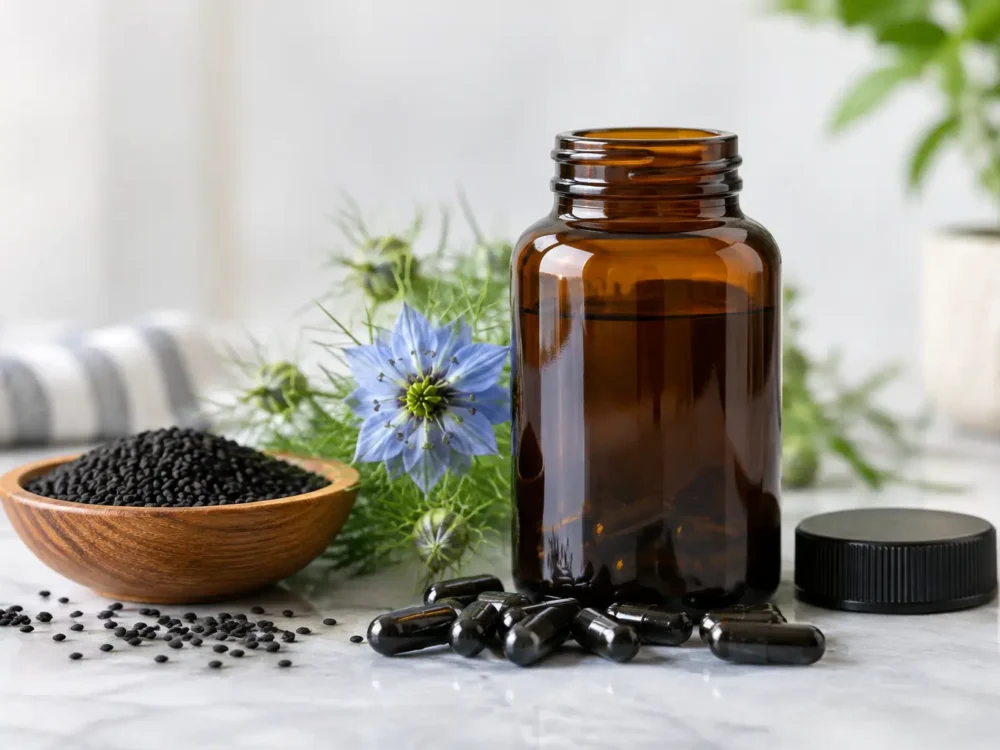
7. Black Seed Oil for a Traditional Wellness Routine
Black seed oil has a distinctive aroma and a long history in traditional beauty and wellness routines. It is best approached as a supportive scalp oil rather than a cure for every scalp concern. Its medium-rich texture can work well when blended with a lighter carrier oil, especially for a weekly scalp massage.
Because black seed oil can be more aromatic and potentially irritating for sensitive skin, patch test first. Choose a product with clear quality information and simple ingredients, and stop using it if burning, redness, or increased itching develops.
How to Apply Oils Without Causing Buildup
The most effective scalp oil routine is usually short and controlled. Part dry or slightly damp hair into sections, then apply a few drops directly to the scalp rather than pouring oil over the hair. Use your fingertips, not your nails, to massage with light circular pressure for two to five minutes.
For most people, 20 to 60 minutes before shampooing is enough. Overnight oiling is optional, not essential, and it can leave behind more residue than your shampoo can comfortably remove. Follow with a gentle shampoo, concentrating on the scalp, then rinse thoroughly. If you used castor oil or a generous amount of coconut oil, a second light shampoo may be needed.
Start once a week. If the scalp feels comfortable and your hair stays fresh, increase to twice weekly if needed. If flakes become waxy, roots look limp, or itching worsens, scale back.
Dry Scalp or Dandruff? The Difference Matters
Dry scalp flakes are often small, white, and powdery, with tightness or dryness after washing. Dandruff can look more yellow or oily and may come with persistent itching, redness, or scale. Oils may soothe dryness, but they can sometimes aggravate dandruff-related buildup for some people.
If you have stubborn flaking, painful spots, hair shedding, crusting, or redness that does not improve, it is worth speaking with a dermatologist. A medicated dandruff shampoo or a different treatment plan may be more appropriate than adding more oil.
Smart Buying Tips for Scalp Oils
Look for a short ingredient list and an oil that matches your intended use. For scalp application, fragrance-free or lightly scented options are often easier for sensitive skin. Cold-pressed and organic labels can be useful quality signals, but they do not guarantee that an oil will suit every scalp.
Avoid adding undiluted essential oils directly to the scalp. Peppermint, rosemary, tea tree, and similar oils can be irritating when used incorrectly. If you choose a blended product, follow its directions closely and patch test before full use.
A dry scalp routine should feel simple: gentle cleansing, less aggressive heat, a small amount of the right oil, and enough time to see how your skin responds. Start with the texture your hair can realistically handle, keep application light, and let comfort – not a heavy coating – be the sign that your routine is working.